Tanzania · Northern Circuit

Lake Manyara National Park

A compact but remarkably diverse safari destination where groundwater forest, acacia woodland, open plains, and a shimmering alkaline lake create one of Tanzania’s most scenic wildlife sanctuaries.

Park Area
325 km²
Established 1960
Lake Coverage
~230 km²
Seasonal alkaline lake
From Arusha
~126 km
Approx. 2 hours drive

Park Overview

Lake Manyara National Park may be small, but it offers exceptional ecological diversity. From lush groundwater forest filled with baboons to broad floodplains and the vast soda lake, the park delivers dramatic scenery and rich wildlife in a single safari day.

Local insight: Lake Manyara is famous for its legendary tree-climbing lions, though sightings are never guaranteed and often considered a special safari bonus.

Best Time to Visit

Excellent year-round, with dry months offering easier wildlife viewing and green season bringing lush beauty and peak birdlife.

Jan
Feb
Mar
Apr
May
Jun
Jul
Aug
Sep
Oct
Nov
Dec
Peak / Dry Good / Shoulder Wet / Green

June–October offers drier roads and concentrated wildlife, while November–February is ideal for flamingos and birdwatching.

Wildlife

Known for large elephant herds and remarkable biodiversity packed into a compact landscape.

Elephant
Lion
Buffalo
Giraffe
Zebra
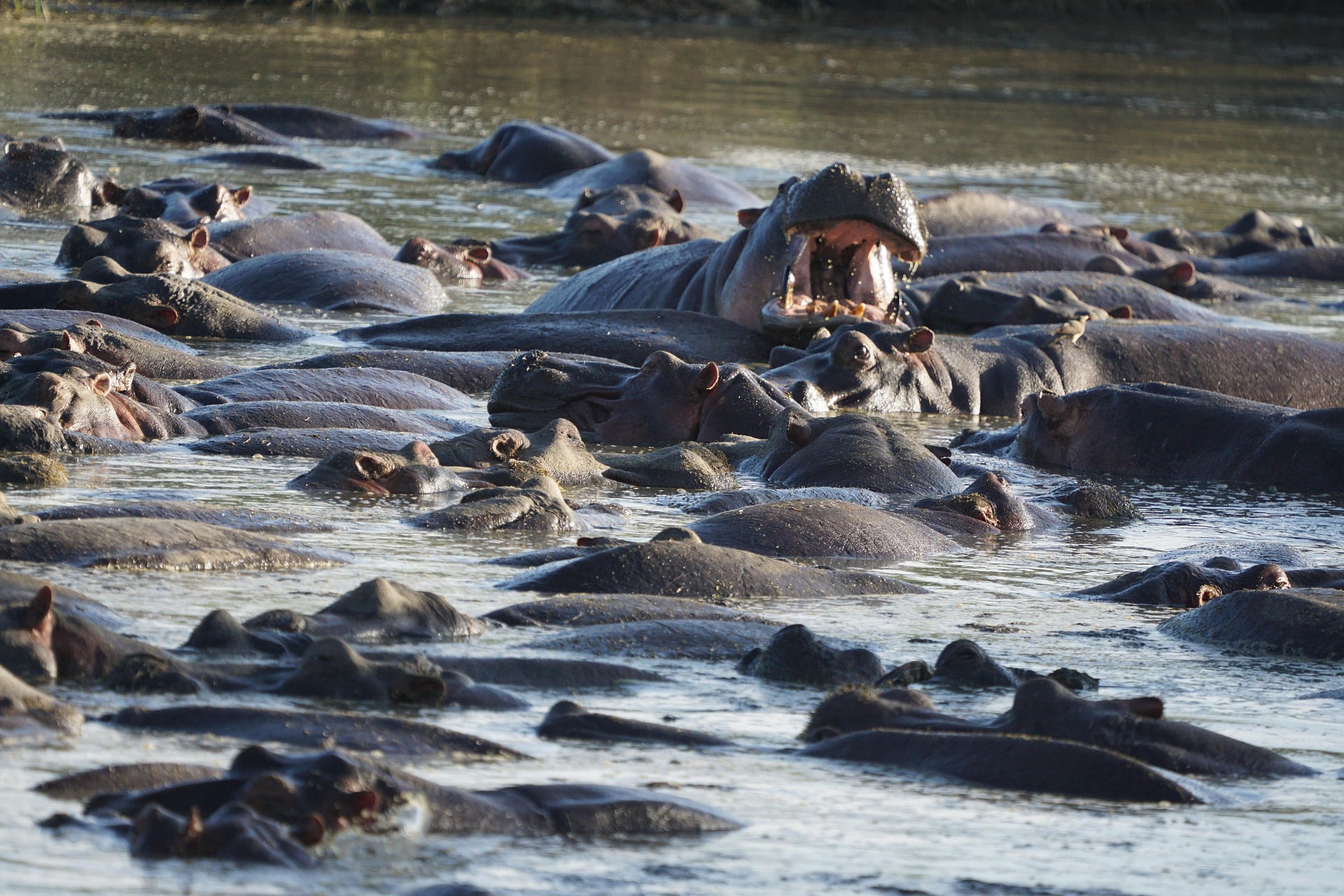
Hippo
Wildebeest
Impala
Baboon
Blue Monkey

Birdlife

Over 400 bird species make Lake Manyara one of Tanzania’s premier birding destinations.

  • Pink Flamingos seasonally across the lake
  • African Fish Eagle and pelicans
  • Grey Crowned Crane in open grasslands
  • Hornbills and turacos in forest zones
  • Excellent migratory bird activity

Birdwatching is exceptional during the green season when migratory species arrive in large numbers.

Tree-Climbing Lions

One of the park’s most famous and unusual wildlife spectacles.

  • Occasionally spotted resting in acacia branches
  • Most common during warmer afternoons
  • A rare behavior seen in few places worldwide
  • A true safari highlight when found

Patience helps: guides often scan acacia trees carefully for hidden lions above ground.

Key Landscapes

Groundwater Forest
Dense evergreen forest near the entrance, alive with monkeys, birds, and elephant movement.
Lake Manyara
A vast alkaline lake attracting flamingos, hippos, and abundant aquatic birdlife.
Floodplains
Open grassy areas ideal for grazing herbivores and predator activity.
Escarpment Views
Dramatic Rift Valley walls rising sharply above the park’s western edge.

Activities

  • Game drives across diverse habitats
  • Birdwatching on lake shores and forest trails
  • Canoeing seasonal guided lake excursions
  • Treetop walkway forest canopy experience
  • Photography with dramatic Rift Valley backdrops

Climate

  • Dry: June–October
  • Wet: March–May
  • Warm year-round
  • Humid near the lake and forest

Accommodation

  • Lake Manyara Serena Safari Lodge
  • Escarpment Luxury Lodge
  • Manyara Wildlife Safari Camp
  • Karatu lodges nearby

Park Fees

  • Adult: TANAPA standard rates
  • Vehicle fees apply
  • Optional activity fees additional
  • Subject to official updates

Practical Tips

  • Perfect first stop on northern safari circuit
  • Great as a day trip or overnight stay
  • Carry binoculars for birds
  • Combine with Ngorongoro or Tarangire

Why Visit Lake Manyara National Park?

Exceptional Diversity

Experience forest, lake, grassland, and escarpment landscapes all within one compact park.

Tree-Climbing Lions

A rare opportunity to search for one of Africa’s most unusual lion behaviors.

Birdwatcher’s Paradise

Hundreds of species and seasonal flamingo gatherings create world-class birding opportunities.

Perfect Safari Introduction

Ideal as the opening chapter of Tanzania’s northern circuit, with easy access and beautiful scenery.