Tanzania · Northern Circuit

Ngorongoro Crater

The world’s largest intact volcanic caldera—an extraordinary natural sanctuary where dramatic landscapes and dense wildlife create one of Africa’s most iconic safari experiences.

Crater Size
260 km²
UNESCO World Heritage Site
Crater Depth
600 m
World’s largest intact caldera
Elevation
2,286 m
Cool highland climate

Crater Overview

Ngorongoro Crater is one of Africa’s most remarkable wildlife havens, home to a permanent population of animals within its enclosed volcanic walls. Grasslands, forests, swamps, and soda lakes combine to create unmatched biodiversity in a breathtaking natural amphitheater.

Local insight: Ngorongoro offers one of the best chances in Tanzania to spot the endangered black rhino in its natural habitat.

Best Time to Visit

Excellent year-round, with consistently strong wildlife viewing due to resident animal populations.

Jan
Feb
Mar
Apr
May
Jun
Jul
Aug
Sep
Oct
Nov
Dec
Peak / Dry Good / Shoulder Wet / Green

June–October provides the clearest crater views and easier wildlife spotting, while green season offers lush scenery and fewer vehicles.

Wildlife

One of Africa’s highest wildlife densities, including nearly all major safari species.

Black Rhino
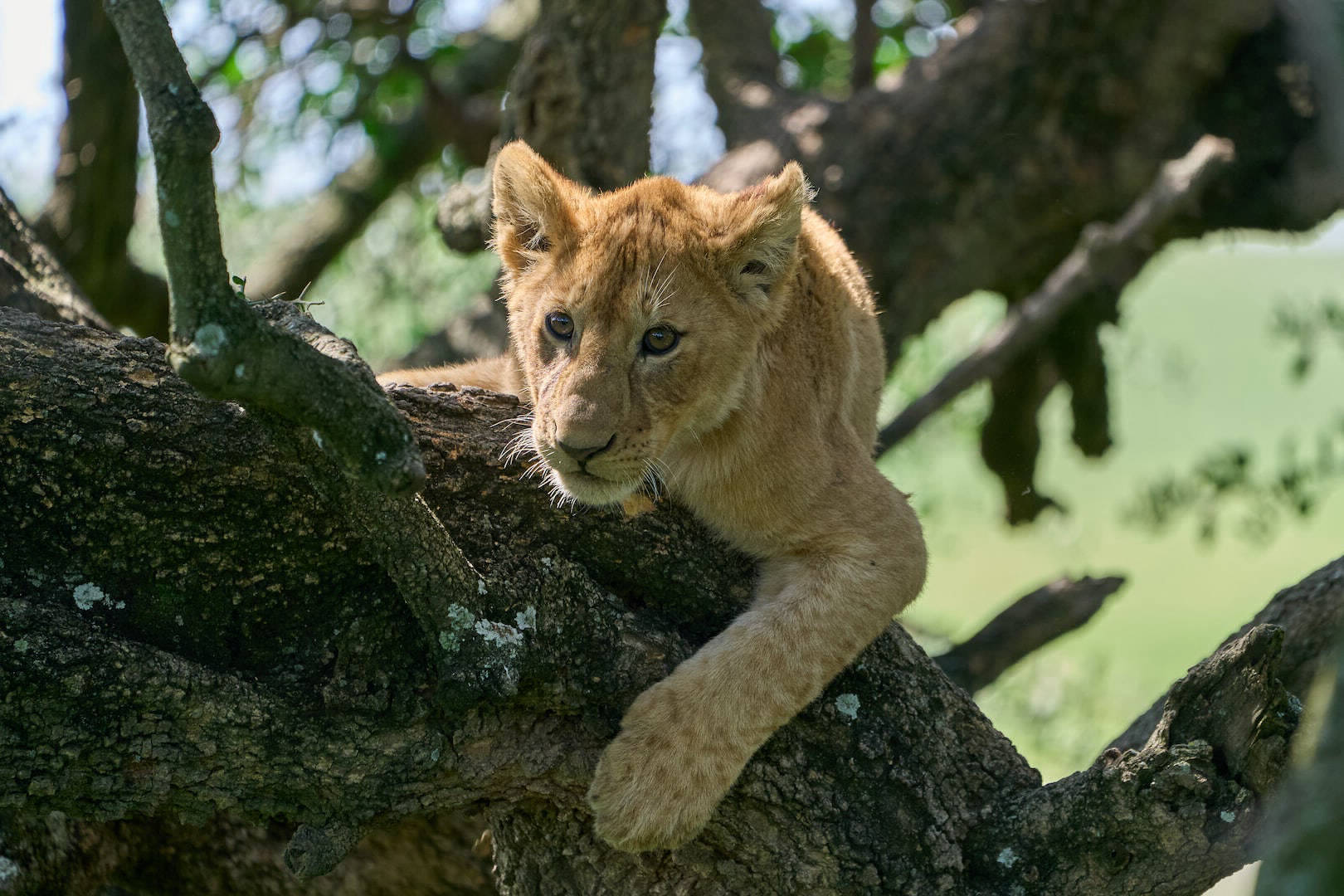
Lion
Elephant
Buffalo
Leopard
Hyena
Zebra
Wildebeest
Hippo
Jackal

Birdlife

Over 500 bird species across crater lakes, forests, and grasslands.

  • Flamingos on Lake Magadi
  • Kori Bustard on crater floor plains
  • Crowned Crane in wetland areas
  • Ostrich and secretary birds
  • Excellent raptor sightings year-round

Lake Magadi often glows pink when flamingo numbers are high.

Crater Floor

A self-contained wildlife ecosystem unlike anywhere else in Africa.

  • Open grassland and seasonal marshes
  • Lerai Forest with giant yellow acacias
  • Freshwater springs and hippo pools
  • Panoramic crater wall scenery

Early descent offers quieter roads and better predator activity.

Key Landscapes

Lake Magadi
Shallow soda lake attracting flamingos and other waterbirds.
Lerai Forest
Acacia woodland favored by elephants and leopards.
Gorigor Swamp
Permanent wetland drawing hippos and grazing wildlife.
Crater Rim
Spectacular viewpoints and cooler montane forest landscapes.

Activities

  • Game drives on the crater floor
  • Photography safaris with dramatic landscapes
  • Birdwatching at lakes and marshes
  • Crater rim walks with guides
  • Cultural visits to Maasai communities

Climate

  • Cool: 10–22°C year-round
  • Cold mornings on the rim
  • Warm afternoons on crater floor
  • Rain possible Nov–May

Accommodation

  • Luxury crater rim lodges
  • Tented camps nearby
  • Mid-range safari lodges
  • Premium views over crater

Park Fees

  • Adult: TANAPA & conservation fees
  • Crater vehicle descent fee applies
  • Guide fees additional
  • Subject to official updates

Practical Tips

  • Start early to avoid traffic
  • Bring warm clothing for the rim
  • Binoculars essential
  • Best paired with Serengeti safari

Why Visit Ngorongoro Crater?

Iconic Landscape

One of the most breathtaking natural wonders in Africa.

Big Five Potential

Excellent opportunity to see all Big Five in a single day.

Unique Ecosystem

A complete wildlife world enclosed within ancient volcanic walls.

World Heritage Site

A globally recognized destination combining nature, wildlife, and Maasai culture.